
The Impact of World Cup Success on National Pride and Identity
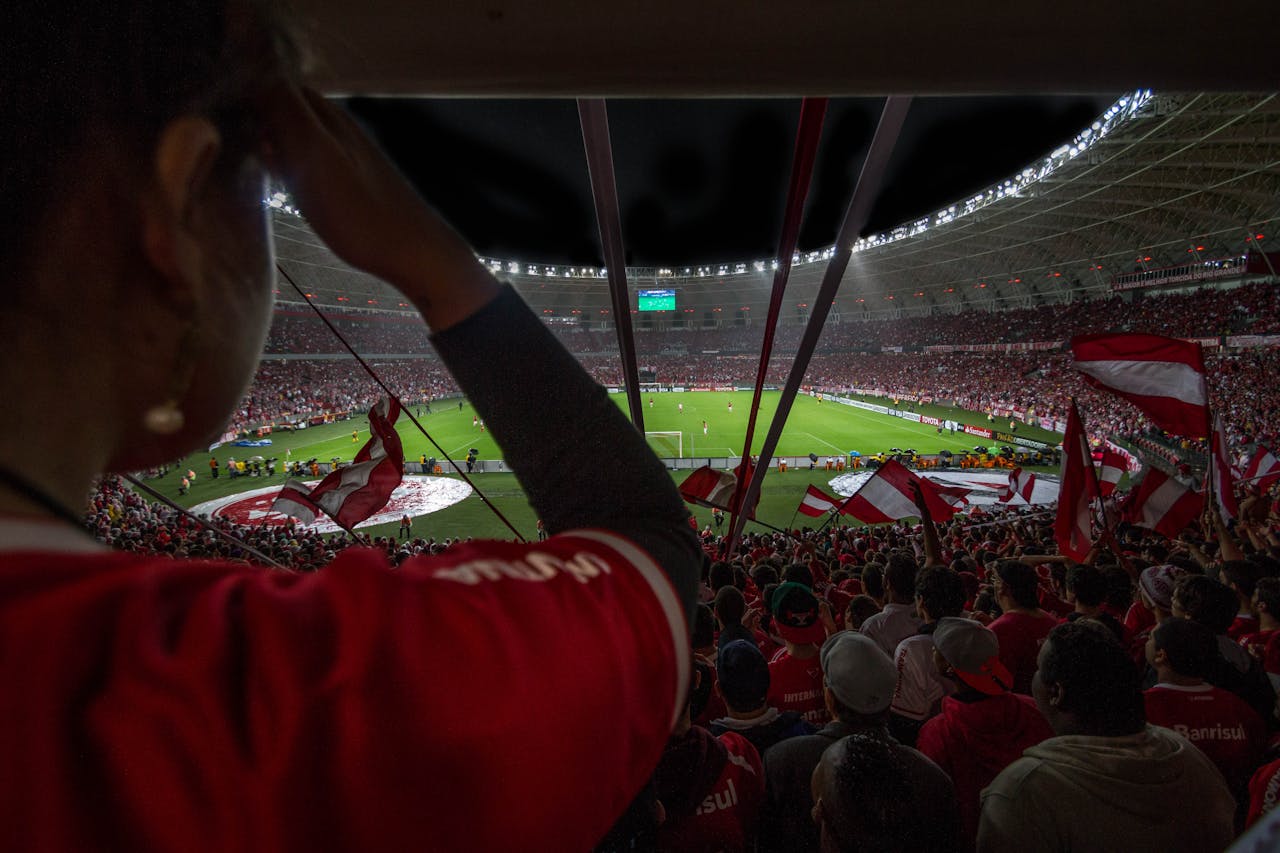
The FIFA World Cup is more than just the biggest football tournament on the planet. According to superknees, it’s a global event that brings people together and ignites passions in ways few other events can. For nations competing on the grand stage, success in the World Cup can have a profound impact on national pride and identity. Whether it’s an underdog story or a victory by a football powerhouse, the ripple effects of success in the World Cup can shape how citizens view themselves and their country for years to come. Let’s explore how World Cup success affects national pride and identity.
Unifying Force for a Country
 When a nation excels at the World Cup, it creates a rare moment of unity. Citizens from all walks of life, regardless of background, class, or political views, come together to cheer for their team. For a few weeks, people rally around a common goal, displaying flags, painting faces, and watching games with family and friends. The sense of shared joy and belonging can foster a stronger national identity. Take, for instance, the 1998 World Cup, when France won the tournament on home soil. That victory, led by a diverse team featuring players from immigrant backgrounds, became a symbol of national unity and a celebration of France’s multicultural identity.
The win helped spark pride across the country and strengthened the notion that France’s success could reflect its diversity.
Boosting National Pride on a Global Stage
When a country performs well in the World Cup, it’s not just an internal celebration. The entire world is watching, and the nation’s flag, anthem, and culture are front and center. This global exposure can be a major source of pride for citizens, as their country’s achievements are recognized internationally. In countries that might not always be in the international spotlight, a deep run in the World Cup can put them on the map. For instance, Croatia’s remarkable run to the 2018 World Cup final brought immense pride to a small nation, showcasing their talent and resilience to a global audience. For many Croatians, it was a moment of national pride that transcended sport, representing the country’s strength and potential on the world stage.
Creating Heroes and Cultural Icons
World Cup success often elevates players to hero status within their home countries, transforming them into symbols of national pride. For example, Brazil’s Pelé, Argentina’s Diego Maradona, and Portugal’s Cristiano Ronaldo have become more than just footballers. They are cultural icons who represent their nations’ excellence. When these players lead their countries to victory or deep into the tournament, they become living embodiments of national identity. Their triumphs and challenges are seen as reflective of the country’s own story. Citizens often feel a personal connection to these athletes, and their success becomes intertwined with how people perceive their own nation.
Healing National Wounds
In some cases, World Cup success has helped nations heal from political or social turmoil. Football has the unique power to provide an emotional release during tough times, serving as a temporary escape from everyday struggles. A prime example is Argentina’s 1986 World Cup win. At the time, the country was dealing with the aftermath of the Falklands War and political unrest. Maradona’s legendary performance, culminating in the famous “Hand of God” goal and a brilliant solo effort against England, became a symbol of Argentina’s resilience and defiance. The victory brought a sense of pride to the country, helping Argentinians feel a renewed sense of identity and hope during a difficult period.
Reinforcing National Values and Traditions
 World Cup success often reinforces a country’s unique football culture and traditions. In nations where football is more than just a sport, it’s part of the national fabric, and winning the World Cup solidifies those values. For example, Brazil’s rich history of “samba football,” an artistic, attacking style of play, has become synonymous with the country’s national identity. Each World Cup triumph has only further entrenched this footballing philosophy as a point of pride for Brazilians. Similarly, Germany’s 2014 World Cup victory was seen as a testament to their commitment to discipline, teamwork, and efficiency values that many Germans identify with in daily life.
In Conclusion
World Cup success is far more than just winning a trophy. It’s a powerful event that can shape how a nation views itself and how it’s viewed by the rest of the world. From unifying a country to reinforcing its values, football has the ability to boost national pride and solidify identity. Whether you’re from a footballing powerhouse or an underdog nation, there’s no denying the pride that comes with watching your country succeed on the grandest stage of all.…


